
The Complete Linen Rental Guide for Long Island Events: Fabrics, Sizing, Colors, and What Changes When You Order for Fall
Linen rentals on Long Island are the single rental category where the wrong decision is most visible in every photo taken at your event, and where the right decision delivers the highest visual return per dollar of any item on the rental invoice. A well-chosen linen package transforms a backyard tent with folding tables into a designed event space. The wrong fabric in the wrong color at the wrong table size produces a look that no amount of floral arrangement can fix. This guide gives you the complete sizing reference, the honest fabric comparison for fall and winter outdoor conditions on Long Island, and the palette strategy for the 2025 and 2026 fall and holiday season so every decision you make is grounded in practical knowledge rather than guesswork.
Three Things Every Long Island Host Gets Wrong When Ordering Linens
Linen ordering mistakes follow a consistent pattern across events of every size and type. Hosts order tablecloths too short. They choose fabric based on how it looks in a showroom photo rather than how it performs at an outdoor October event. And they treat napkins and chair sashes as afterthoughts rather than as the layering elements that complete the palette. All three mistakes are preventable with the right information before you book.
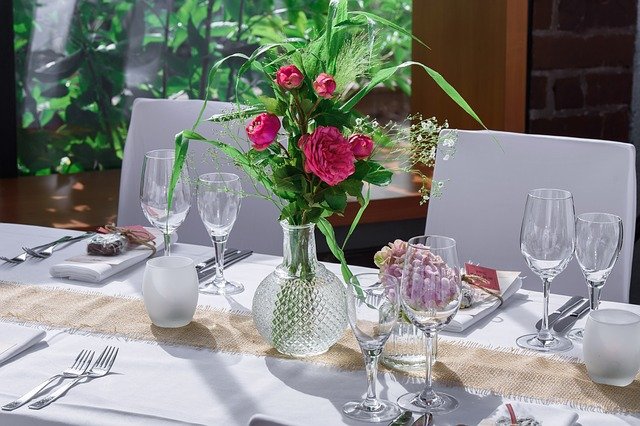
The Complete Linen Sizing Reference by Table Type
The correct tablecloth size is determined by your table dimensions and the overhang length you want. The industry standard for a full-length tablecloth is a floor-length drop on all sides, which means the cloth reaches to within one to two inches of the ground. This is the look that reads as polished and intentional in photographs. Anything shorter than mid-length reads as a mismatch, particularly in wide-angle event photos where multiple tables are visible simultaneously.
Here is the complete sizing reference for every standard rental table size:
| Table Type | Table Dimensions | Table Height | Floor-Length Cloth Size | Mid-Length Cloth Size |
|---|---|---|---|---|
| 48″ Round (seats 6) | 48″ diameter | 30″ | 108″ round | 90″ round |
| 60″ Round (seats 8) | 60″ diameter | 30″ | 120″ round | 108″ round |
| 72″ Round (seats 10) | 72″ diameter | 30″ | 132″ round | 120″ round |
| 6ft Rectangular (seats 6) | 30″ x 72″ | 30″ | 90″ x 132″ | 60″ x 120″ |
| 8ft Rectangular (seats 8–10) | 30″ x 96″ | 30″ | 90″ x 156″ | 60″ x 132″ |
| Cocktail / High-Top (30″ round) | 30″ diameter | 42″ | 120″ round | 90″ round |
| Farm Table (seats 10–12) | 40″ x 96″ typical | 30″ | 90″ x 156″ or custom runner | Runner-style typical for farm tables |
The floor-length drop is calculated by adding twice the table height (30″ x 2 = 60″) to each table dimension. For a 60″ round table at standard height: 60″ + 60″ = 120″ round cloth. This formula works for every standard table size. When in doubt, order one size up rather than one size down. A cloth that pools slightly at the floor is a design choice. A cloth with a 12-inch drop reads as a mismatch.
Browse our full linen rental inventory on Long Island to confirm available sizes and colors for your event date.
Fabric Comparison for Fall and Winter Outdoor Events on Long Island
Fabric performance outdoors on Long Island in fall and winter conditions is different from fabric performance at a June garden party. Temperature, wind, humidity, and low-light conditions all affect how a fabric reads in person and in photographs. Choosing based on appearance alone without considering how the material behaves in October or November conditions is one of the most common and most correctable linen mistakes.
| Fabric | Outdoor Wind Performance | Low-Light / Evening Look | Cool Temperature Performance | Best Fall / Winter Fit |
|---|---|---|---|---|
| Polyester | Excellent — holds shape, minimal flutter | Good — clean matte finish reads well under artificial light | Excellent — no shrinkage, no moisture absorption | Best all-around outdoor fall choice for any event type |
| Satin | Moderate — sheen surface catches wind movement visibly | Excellent — reflective surface glows under string lights and candles | Good — not moisture-sensitive but wrinkles more in cold | Best for indoor or sheltered tent evening events |
| Pintuck | Good — heavier texture holds better than flat fabrics in wind | Excellent — textured surface creates visual depth under low light | Good — texture adds visual warmth appropriate for fall palettes | Ideal for fall and holiday events where texture adds seasonal richness |
| Velvet | Moderate — heavier fabric but pile catches directional wind | Outstanding — pile reflects light in a way no other fabric matches | Excellent — pile traps warmth, feels appropriate for winter aesthetics | Best for December holiday and NYE events; indoor or fully enclosed tent |
| Natural Linen | Moderate — lightweight, moves in wind, wrinkles visibly outdoors | Good — warm, organic texture reads well in natural and candlelight | Poor — absorbs moisture in cool damp conditions, wrinkles heavily | Best reserved for indoor fall events or early September outdoor events only |
The practical recommendation for most Long Island fall outdoor events is polyester as the base tablecloth and pintuck for overlay or accent pieces where texture is part of the aesthetic. Velvet overlays or napkins are a high-impact addition for November and December events that want a holiday-appropriate richness without committing to velvet as the full tablecloth fabric.
Fall and Holiday Palette Strategy for 2025 and 2026: How to Layer Linens Without a Florist Budget
The fall and holiday palette that is leading Long Island event design in 2025 and 2026 has moved away from the orange-and-brown harvest aesthetic that defined fall entertaining for years. What hosts are requesting now is more refined: deep, saturated tones layered with warm neutrals, executed through coordinated linen rather than expensive custom florals. The palette does the design work when it is built correctly. Here is how to build each of the four leading palettes using tablecloths, overlays, napkins, and chair sashes as the primary design tools.
Burgundy and champagne. Full-length burgundy polyester tablecloths as the base. Champagne or ivory satin overlay on the center of each table. Ivory napkins with a burgundy sash or napkin ring. Gold charger plates complete the look without any floral investment. This palette works from September through December and photographs exceptionally well under string lights and candlelight.
Hunter green and ivory. Full-length hunter green polyester as the base. Ivory pintuck overlay on guest tables. White or cream napkins folded flat rather than fanned to keep the look clean and modern. Gold or brass hardware as the accent element. This palette is particularly strong for bridal showers and baby showers running into October and November. Submit your date through our bridal shower rental inquiry or baby shower rental inquiry to start building your linen package around this palette.
Navy and gold. Full-length navy polyester base with gold satin overlay. White napkins with a navy sash. Gold charger plates and candlelight as the primary accent. This palette reads as formal and intentional and works across every fall and winter event type from birthday parties to holiday gatherings.
Champagne and velvet mocha. The most textural of the four palettes and the one most specific to November and December events. Champagne polyester base with a velvet mocha or chocolate brown overlay. Ivory napkins. No chair sashes needed — the overlay contrast carries the tablescape. This palette requires the least floral support of any fall option and holds up beautifully under the warm amber lighting common to holiday tent events.
The layering principle that makes all four palettes work without florals is contrast between the base tablecloth and the overlay fabric: different color, different texture, or ideally both. A burgundy base with a burgundy pintuck overlay delivers less visual impact than a burgundy base with a champagne satin overlay. The contrast is what the eye reads as designed rather than default. Explore the full party and event rental inventory to see all available linen colors, overlay options, and tableware that coordinate with these palettes.
Frequently Asked Questions
What size tablecloth do I need for a 60-inch round table?
A 120-inch round tablecloth gives you a full floor-length drop on a 60-inch round table at standard 30-inch height. If you prefer a mid-length drop that falls approximately halfway to the floor, a 108-inch round works. For any event where the tables will be photographed, the 120-inch floor-length cloth is the recommended choice — it consistently produces a more finished look in event photos than a mid-length alternative.
What is the best linen fabric for an outdoor fall event on Long Island?
Polyester is the most reliable fabric for outdoor fall events on Long Island. It holds its shape in wind, does not absorb moisture in cool or damp conditions, and maintains its color and finish under both natural daylight and artificial evening lighting. For events where visual texture is part of the aesthetic, pintuck polyester delivers the same performance with added surface interest that reads well under candlelight and string lights.
How far in advance should I book linen rentals on Long Island?
Four to six weeks minimum for fall and holiday dates. Specific linen colors in fall palettes — particularly burgundy, hunter green, navy, and velvet options — are limited-inventory items that book faster than standard white or ivory linens. For November and December holiday events, eight weeks out is the safer lead time. Book your full linen package alongside your tent, tables, and chairs to confirm availability across all categories for the same date.
Can I mix linen fabrics at the same event?
Yes, and doing so intentionally is one of the most effective ways to add visual depth without additional floral investment. The most common and most effective combination is a polyester base tablecloth with a satin or pintuck overlay. The contrast between the matte base and the textured or reflective overlay is what creates the layered look that reads as designed rather than standard. Mixing fabrics works when the color palette stays cohesive — two different fabrics in coordinating tones always looks intentional. Two different fabrics in clashing colors does not.